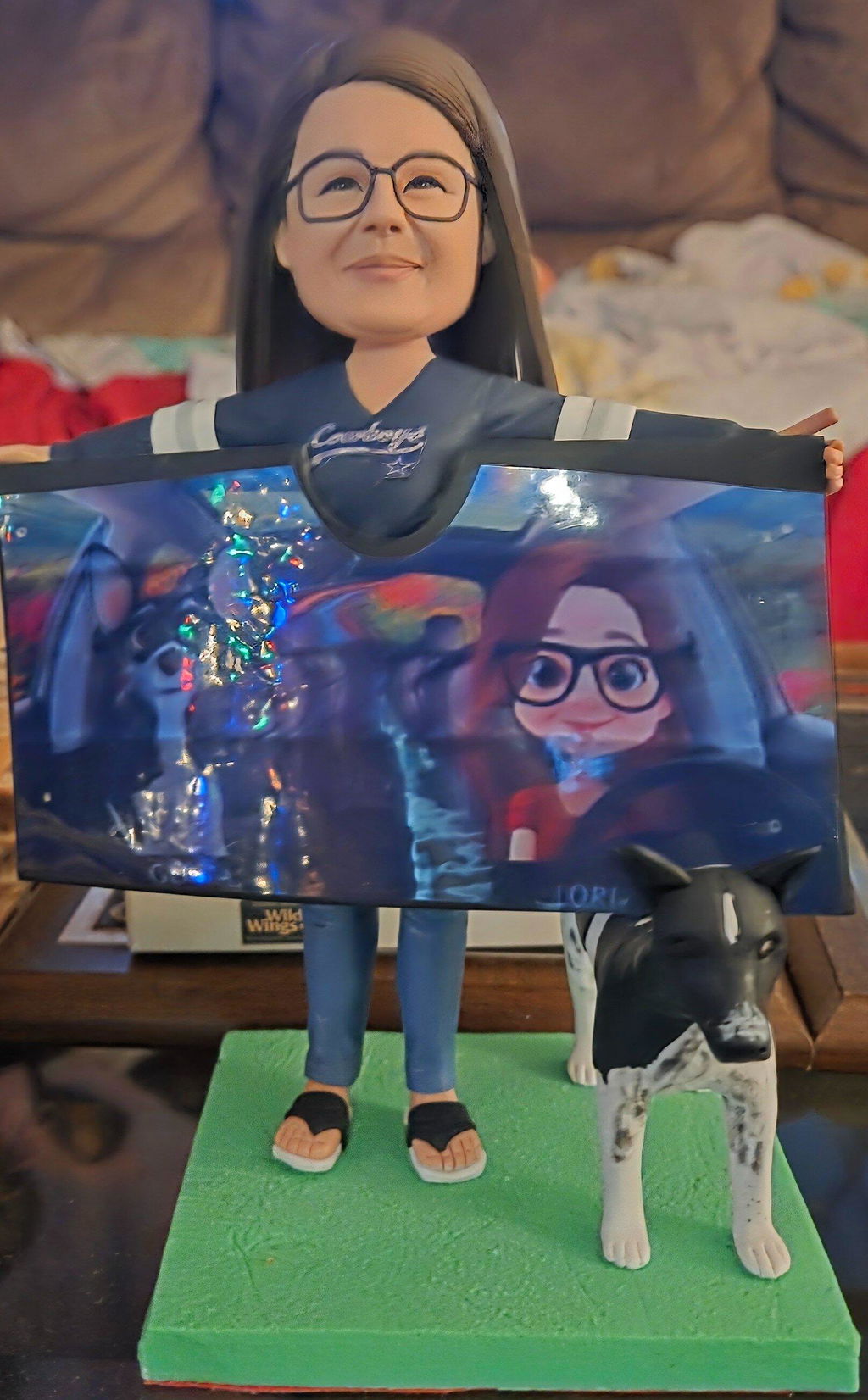

Why Fans Buy More Basketball Merchandise During March Madness
PennyDengEvery spring, as March Madness unfolds, something shifts in fan behavior. Viewers don’t just follow the games—they buy. Understanding why fans spend more during this tournament reveals how emotion, identity, and social pressure shape purchasing decisions.
A Month That Changes Buying Behavior
The tournament organized by the National Collegiate Athletic Association is not just another sports event. It is fast, unpredictable, and culturally immersive. The single-elimination format compresses drama into a matter of days. Each game feels urgent. Each upset becomes a national conversation.
This compressed intensity alters consumer psychology.
In ordinary months, fans may delay purchases. They might browse merchandise casually or wait for discounts. In March, hesitation decreases. The emotional pace of the tournament accelerates decision-making. Buying becomes reactive rather than planned.
The question is not simply what fans buy during March Madness—but why they feel compelled to buy at all.
Buying as Emotional Expression
Sports fandom has always been emotional. March intensifies that emotion.
When a team advances unexpectedly, fans experience pride and exhilaration. When a favorite school pulls off a last-second victory, supporters feel a surge of collective identity. In those moments, purchasing basketball merchandise becomes a form of emotional expression.
Buying is not about material need. It is about capturing a feeling.
A fan who just witnessed a dramatic upset may order a team-themed collectible within hours. The purchase is symbolic. It says: “I was part of this.” Emotion turns into action.
Psychologists often describe this as emotional reinforcement behavior. When excitement peaks, people seek a tangible object to anchor the memory. Basketball merchandise fulfills that role.
Identity Signaling and Group Belonging
March Madness is deeply tied to school loyalty. Alumni reconnect with campus memories. Students unite around watch parties. Families rally behind their children’s universities.
During this period, identity becomes visible.
Supporters want others to know which team they back. Wearing team colors, displaying basketball-themed décor, or placing a sports collectible on a desk becomes a public signal of belonging.
The social aspect is crucial. Fans are not consuming alone. They are part of a shared national event. Merchandise becomes a badge of affiliation.
Unlike professional sports fandom, college loyalty often carries personal history. That depth increases willingness to spend. A basketball-themed keepsake tied to a specific school feels personal, not generic.
When identity intensifies, so does purchasing motivation.
March Creates Social Buying Pressure
Another powerful factor is social pressure—though often subtle.
Offices host bracket competitions. Friends debate predictions. Social feeds fill with bracket screenshots and celebratory posts. In this environment, visible participation matters.
If coworkers decorate their desks with basketball-themed items, others are more likely to join in. If a friend shares a celebratory photo featuring a team collectible, that image can influence purchasing decisions.
This is social proof in action.
Group settings—watch parties, office pools, campus gatherings—normalize themed purchases. Small prizes for bracket winners, humorous basketball gifts, or desk-friendly collectibles become part of the seasonal culture.
When buying becomes integrated into social rituals, resistance drops.
Temporary Event, Permanent Memory
One of the most important drivers of March merchandise sales is the temporary nature of the tournament.
The entire bracket unfolds within weeks. Teams are eliminated quickly. Cinderella stories rise and fall almost overnight. Fans know the moment is fleeting.
This awareness creates urgency.
Buying a basketball-themed item becomes a way to preserve the experience. The product acts as a physical reminder of a specific year, a particular run, or a memorable game.
Unlike apparel worn occasionally, display collectibles serve as long-term memory anchors. They remain visible months or years after the tournament ends.
Fans are not just purchasing products. They are purchasing preservation.
The Shift From Apparel to Collectibles
Traditional basketball merchandise often centers on jerseys and t-shirts. While apparel remains popular, many fans are seeking alternatives that feel more distinctive.
Apparel can be repetitive. Multiple fans may own the same design. In contrast, collectibles—especially customized or stylized items—offer uniqueness.
Desk-friendly basketball figures, themed décor, and personalized sports keepsakes provide visual impact without requiring sizing decisions. They fit into offices, dorm rooms, and home shelves easily.
This shift reflects broader consumer trends. Modern buyers often prefer items that spark conversation. A unique basketball collectible displayed during March does more than show support—it invites discussion.
Distinctiveness increases perceived value.

Why Personalized Basketball Merchandise Wins in March
Personalization amplifies all the psychological factors already at play.
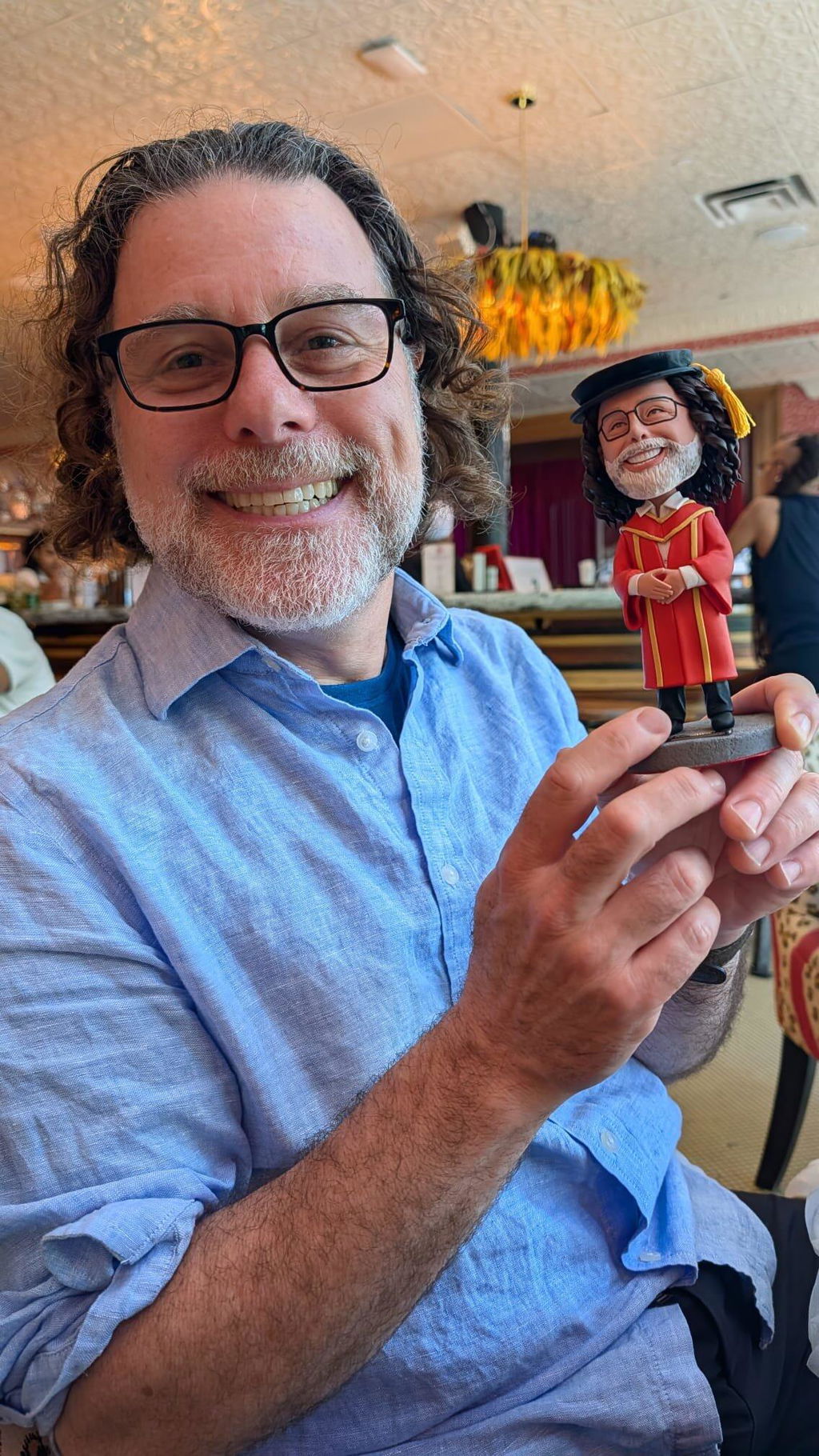
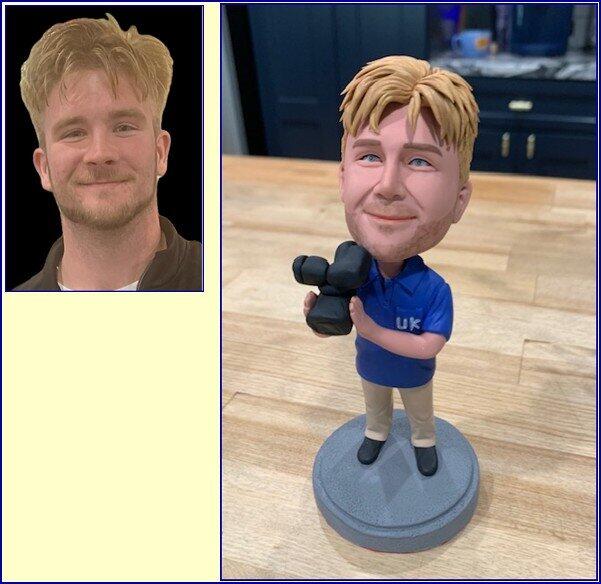
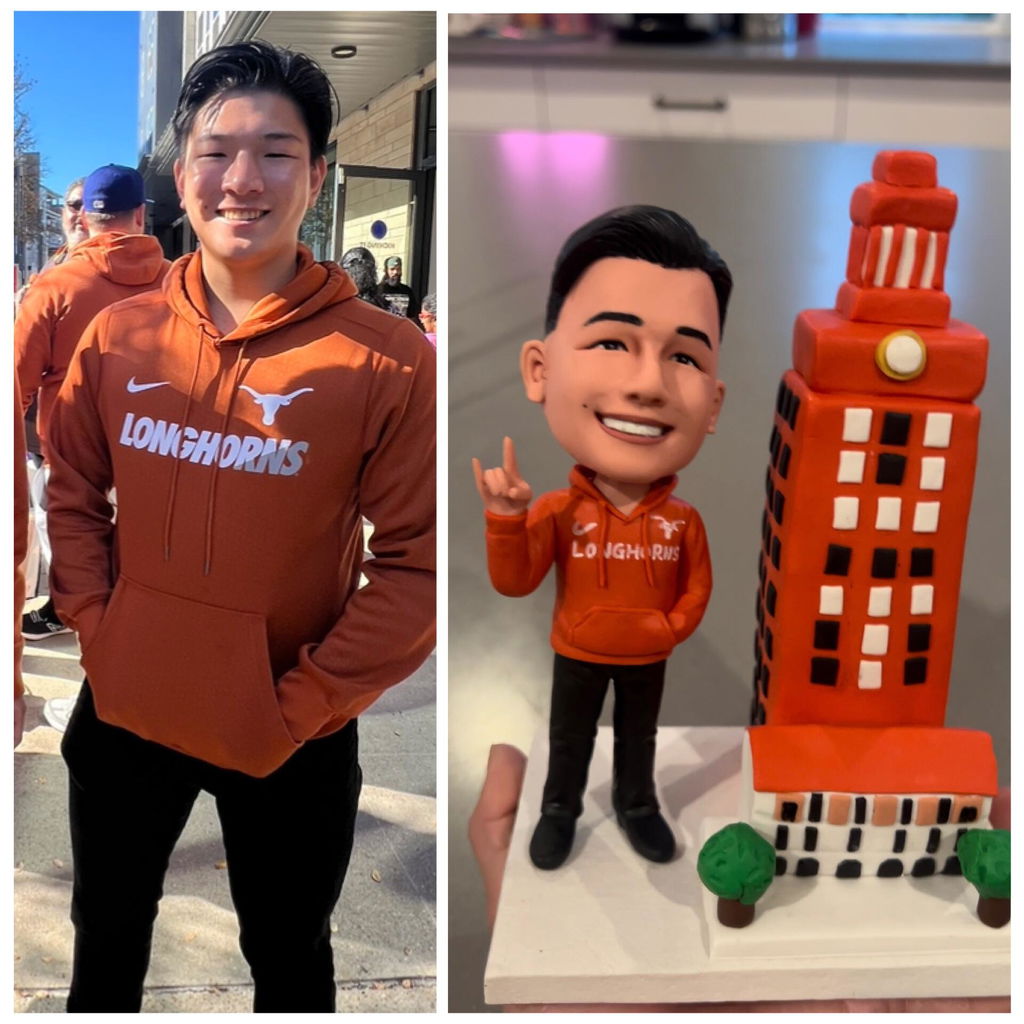
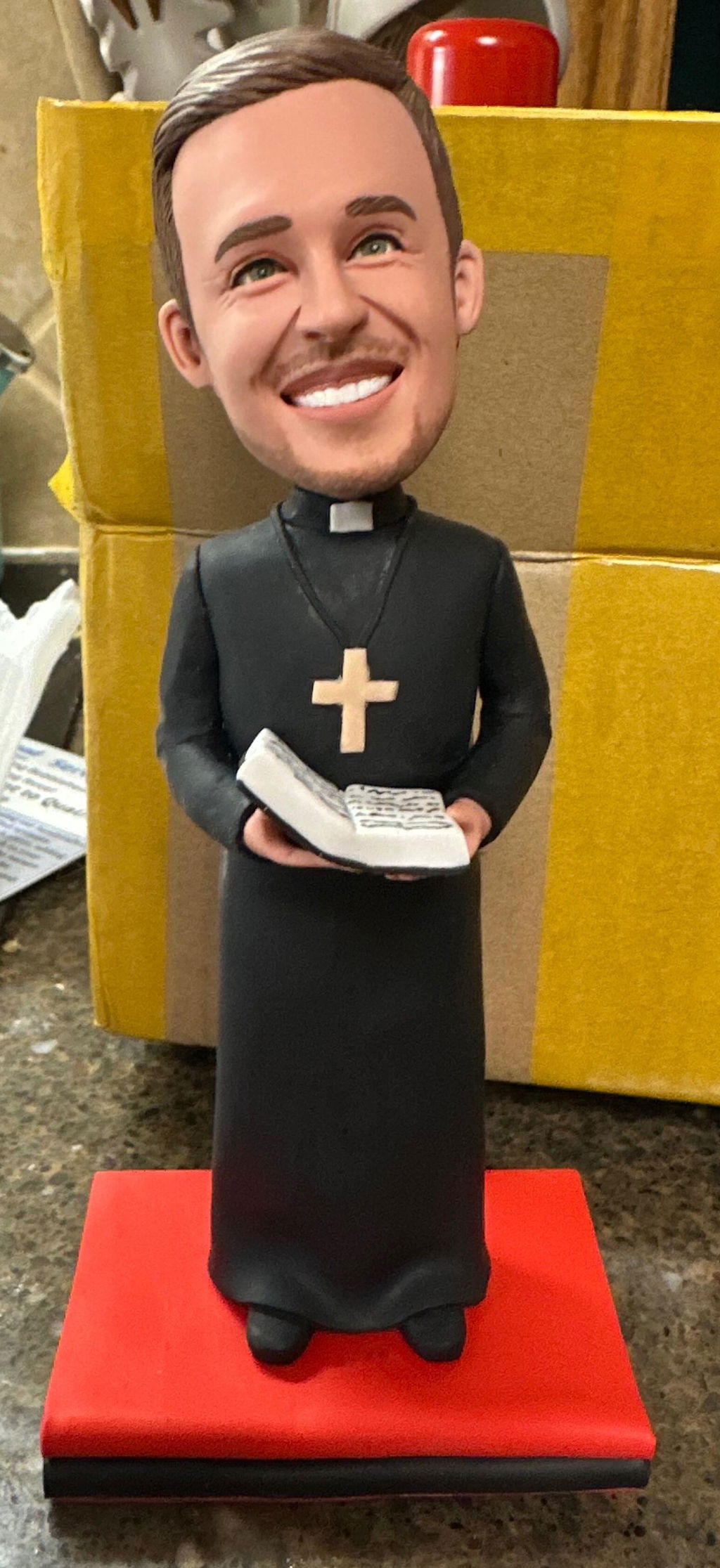
During March Madness, fans feel both collective pride and individual excitement. Personalized basketball merchandise and custom basketball gifts bridge those emotions. It allows supporters to celebrate the team while reflecting their own identity.
A customized basketball-themed collectible can represent:
• A specific school
• A bracket victory
• A fan’s own likeness in team colors
• A commemorative gift for a fellow supporter
Personalized items also perform well as gifts. Unlike apparel, they avoid sizing concerns. Unlike generic merchandise, they feel intentional.
From a behavioral standpoint, personalization increases emotional attachment. When a product reflects personal identity, it becomes harder to substitute. That emotional stickiness drives higher perceived value and stronger purchase decisions.
March provides the emotional fuel; personalization provides the meaning.
Emotional Momentum and Impulse Decisions
March Madness operates on momentum. As games stack quickly and headlines change daily, emotional cycles shorten. Fans move rapidly from anticipation to anxiety to celebration.
This pace reduces deliberation time.
Impulse purchases rise when consumers are emotionally stimulated and time-constrained. The tournament creates both conditions simultaneously.
A dramatic victory on Saturday can lead to purchases on Sunday. A bracket win in the office can spark immediate prize buying. Emotional momentum overrides analytical hesitation.
In this context, basketball merchandise becomes a spontaneous extension of fandom rather than a planned expense.
From Viewing to Participating
Perhaps the most important shift during March is the transition from passive viewing to active participation.
Fans do not merely watch games. They fill out brackets. They debate outcomes. They host watch parties. They share reactions online.
Purchasing merchandise reinforces that participation.
Owning a basketball-themed item transforms the experience from spectator to stakeholder. The product becomes part of the ritual.
Participation strengthens loyalty. Loyalty increases spending.
Conclusion
March Madness changes how fans feel—and how they buy. Emotional intensity, identity signaling, social influence, and urgency combine to create a powerful purchasing environment. Fans spend more on basketball merchandise during this period not because they suddenly need new items, but because March amplifies belonging and memory.
When passion peaks, buying becomes expression. And during March Madness, expression is everywhere.