
The Subtle Power of Small Objects: How They Shape Our Mood and Productivity
PennyDengFrom childhood bedrooms filled with favorite trinkets to adult workspaces decorated with tiny desk accessories, we have always surrounded ourselves with small objects that bring comfort, meaning, or simply a spark of joy. But beyond decoration, these little items play a surprisingly significant psychological role. Recent studies in environmental psychology show that the objects we display on our desks, shelves, and bedside tables can affect our emotional state, focus level, and even our creative performance.
This article explores why small objects matter—and how you can intentionally use them to design a more productive and emotionally balanced environment at work and at home.
The Psychology Behind the Power of Small Objects
1. Emotional Anchoring
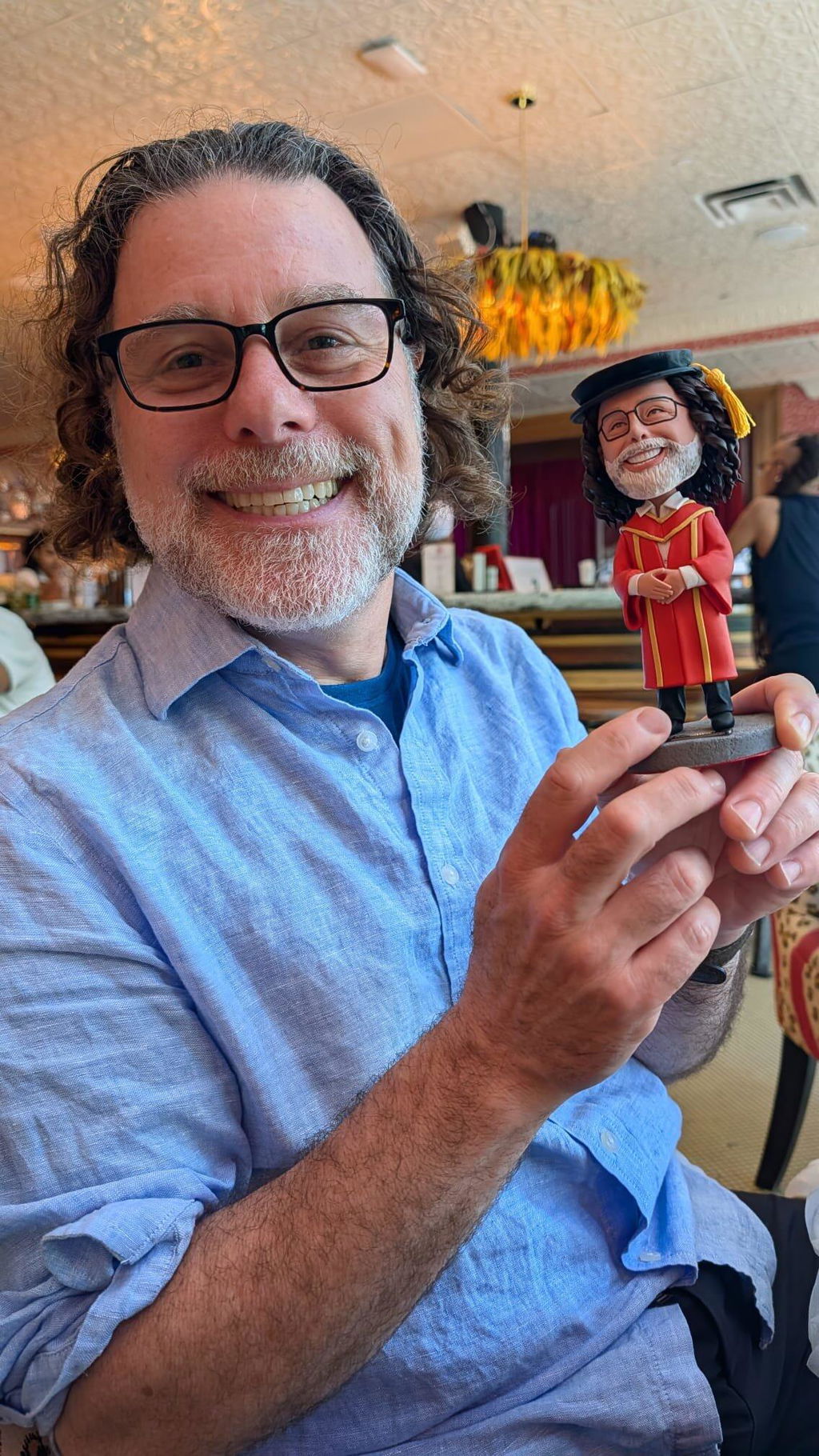
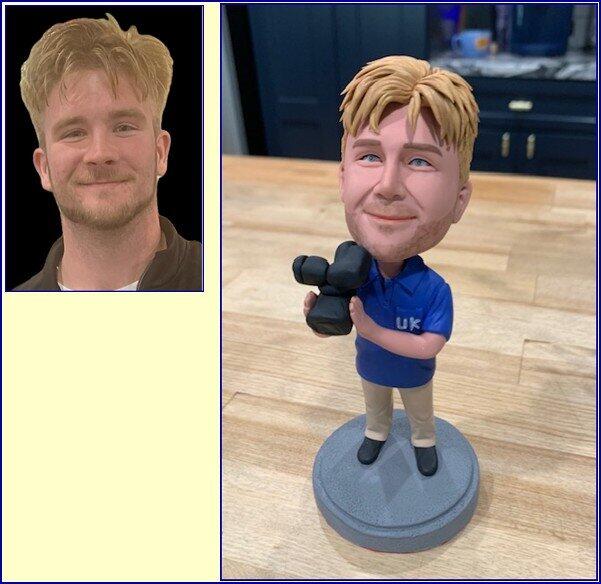
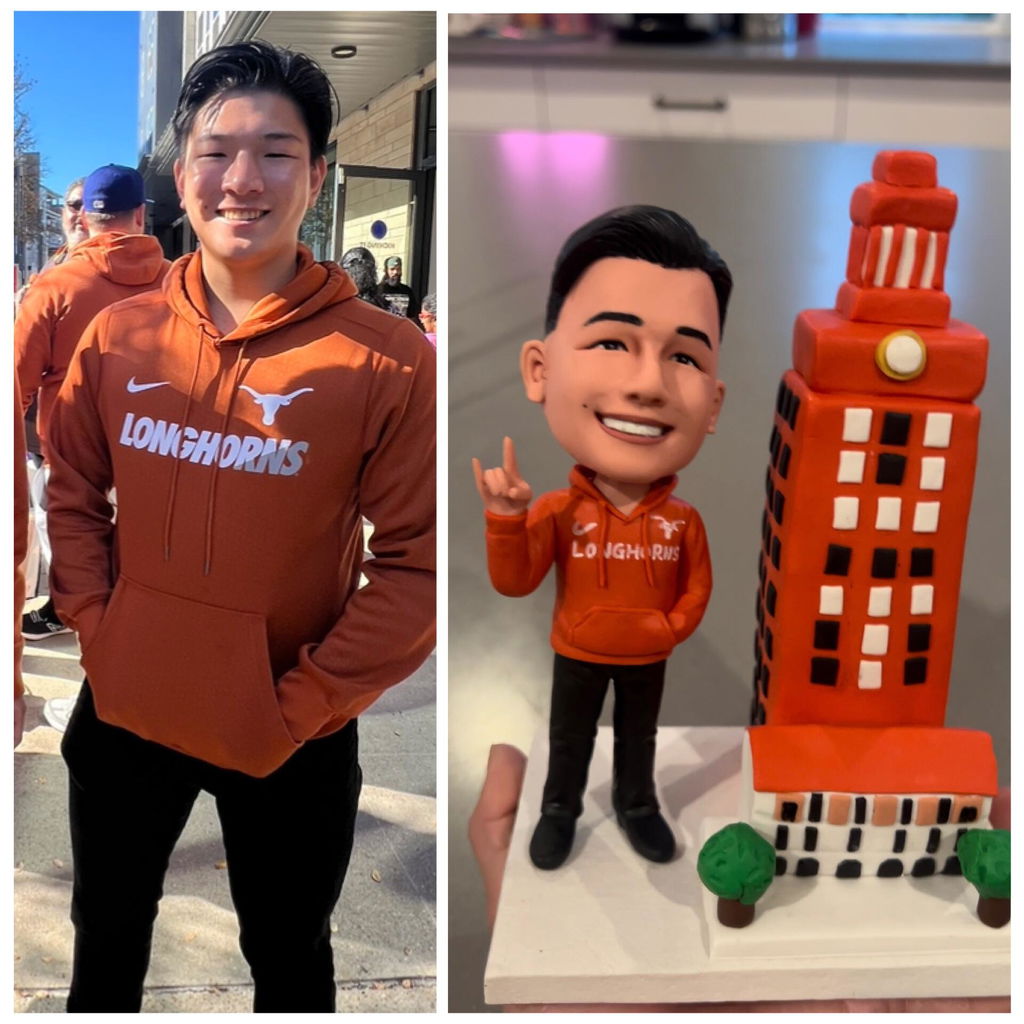
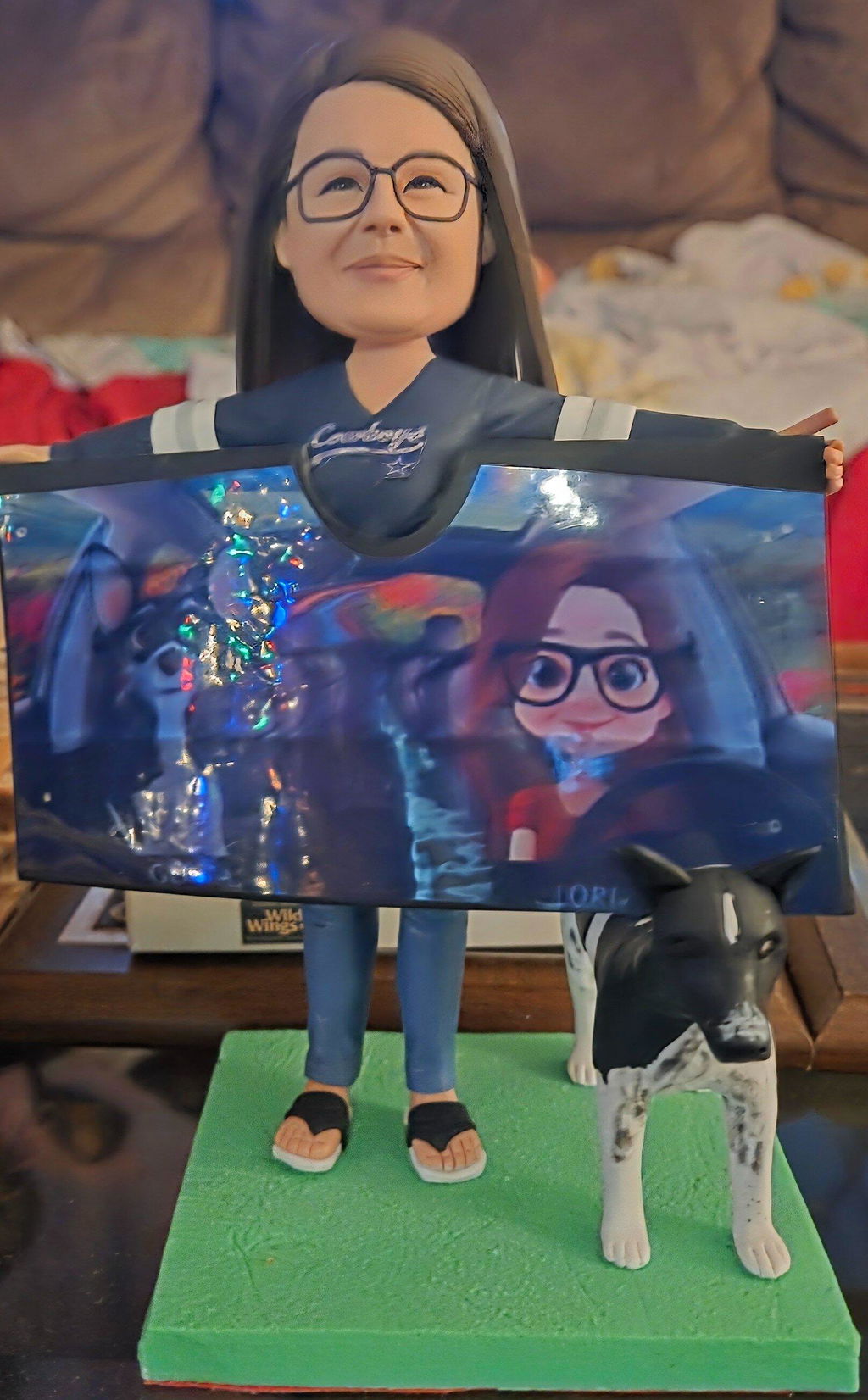
Small items often serve as emotional anchors—they carry memories, associations, or symbolic meaning. Seeing a tiny figurine from a family trip, a mini plant gifted by a colleague, or a personalized miniature of yourself can trigger positive emotions. These feelings, in turn, reduce stress hormones and help restore emotional stability during a hectic day.
2. Self-Identity and Self-Projection
Psychologists have long studied how people use objects to project identity. When your desk features items that represent your hobbies, values, or personality, your workspace becomes an extension of yourself. This sense of alignment increases motivation and makes mundane tasks feel more purposeful.
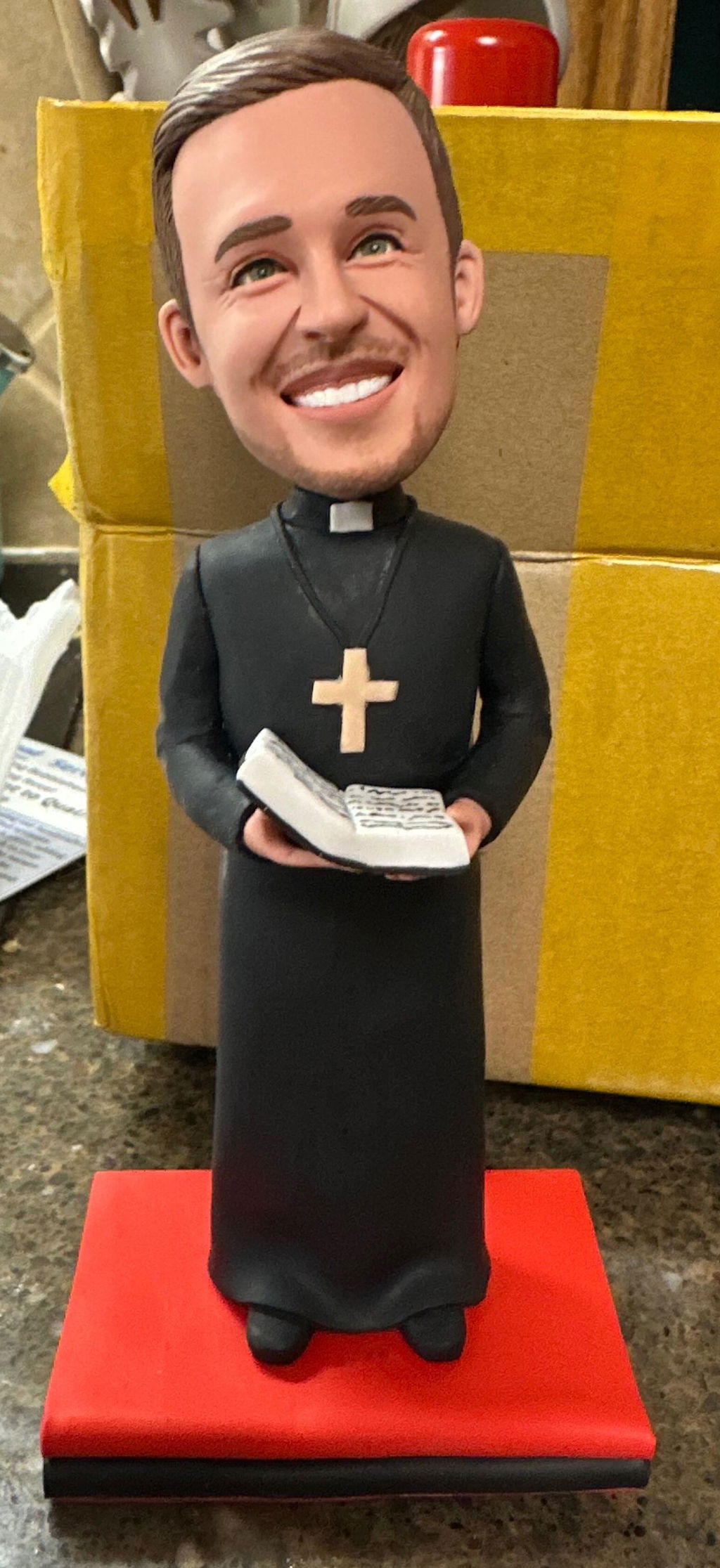
Even simple mini objects such as collectible characters, tiny inspirational tokens, or personalized mini figures can reinforce a sense of control and self-expression in a high-pressure work environment.
3. Behavioral Cues and Habit Triggers
Our brain loves visual reminders. Small objects can serve as behavioral triggers—a mini hourglass reminding you to stay focused, a small award reminding you of progress, a calming figurine encouraging moments of pause. These cues subtly nudge your behavior without requiring conscious effort, improving consistency and productivity.
How Small Objects Influence Different Spaces
1. On the Office Desk: Reducing Stress and Improving Focus
Many professionals spend more than eight hours a day at their desks, making desk environment design crucial for emotional well-being. Small desk objects provide micro-moments of relief throughout the day:
• Stress reduction: A tiny decorative figure or a palm-size object you enjoy looking at becomes a “mental breather” during high workload moments.
• Focus breaks: Psychologists recommend brief visual changes every 20–30 minutes to prevent cognitive fatigue. A small object provides the perfect anchor for these micro-breaks.
• Social connection: Unique desk items often spark conversations—an easy way to build rapport in the office.
2. On the Study Table: Support for Deep Work
Students, remote workers, and creators rely on their study spaces to enter “deep focus mode.” Small objects can help them transition into a productive mindset:
• A minimalist mini sculpture encourages calm and concentration.
• A personalized mini figure or desk decor adds a sense of ownership, which reduces stress and promotes longer periods of focused work.
• Objects associated with goals (e.g., a small trophy or inspirational token) reinforce motivation.
3. In the Bedroom: Mood, Comfort, and Emotional Balance
Small objects in personal spaces work differently—they support emotional comfort rather than productivity:
• Morning impact: Seeing a cheerful or meaningful bedside object can set a positive tone for the day.
• Evening impact: Calming objects help the mind unwind, reducing nighttime stress.
• Personal meaning: Many people surround their bedroom space with items that reflect personal stories or relationships. These objects act as emotional stabilizers, especially during periods of stress or transition.

Practical Applications in Daily Life
Here’s how to intentionally use small objects to enhance your workspace, study area, or personal space, based on psychological research:
1. Office Desk
• Place 1–3 meaningful objects within your line of sight to reduce stress and support micro-focus.
• Examples: a miniature figurine of a favorite character, a small plant, or a tiny symbolic token.
• Tip: Keep them organized; excessive items can distract and increase cognitive load.
2. Study Table / Creative Workspaces
• Use symbolic items to create a “progress cue” system, such as a mini figurine representing a completed goal.
• Arrange objects to visually separate zones: one for active tasks, one for creative thinking, and one for reference materials.
• Select interactive items that can be touched, moved, or repositioned; physical engagement subtly improves attention and retention.
3. Bedroom / Personal Space
• Keep 1–2 calming or meaningful objects on your nightstand to regulate mood at the start and end of the day.
• Examples: personalized mini figures or small sculptures with aesthetic value that evoke positive memories.
• Scientific support: Emotionally meaningful objects in private spaces have been shown to lower cortisol levels and improve sleep quality.
Evidence-Based Guidelines for Choosing Small Objects
To maximize the impact of small objects on mood and productivity, follow these research-backed principles:
• Meaning Matters: Objects tied to personal achievements, hobbies, or positive memories have stronger effects on emotional well-being and task engagement.
• Simplicity Over Quantity: Limit the number of items; research shows too many objects can cause cognitive overload.
• Interactivity: Touching, moving, or repositioning objects engages sensorimotor pathways, enhancing attention and focus.
• Rotation for Novelty: Periodically swapping objects maintains interest and continues to stimulate cognitive engagement.
• Visual Contrast: Bright or distinctive items attract attention during micro-breaks without distracting from tasks.
By applying these guidelines, small objects can transform any space into an environment that supports emotional balance, cognitive performance, and daily productivity.
Conclusion: Small Objects, Big Influence
Small objects might look insignificant, but their psychological impact is real and measurable. Whether you’re working long hours at your desk, studying late into the night, or trying to create a calming bedroom environment, tiny items can reshape how you feel and function every day.
They offer emotional comfort, strengthen identity, spark creativity, and help you stay focused. With intentional selection—especially with personalized mini items—you can transform any space into one that supports both emotional well-being and productivity.