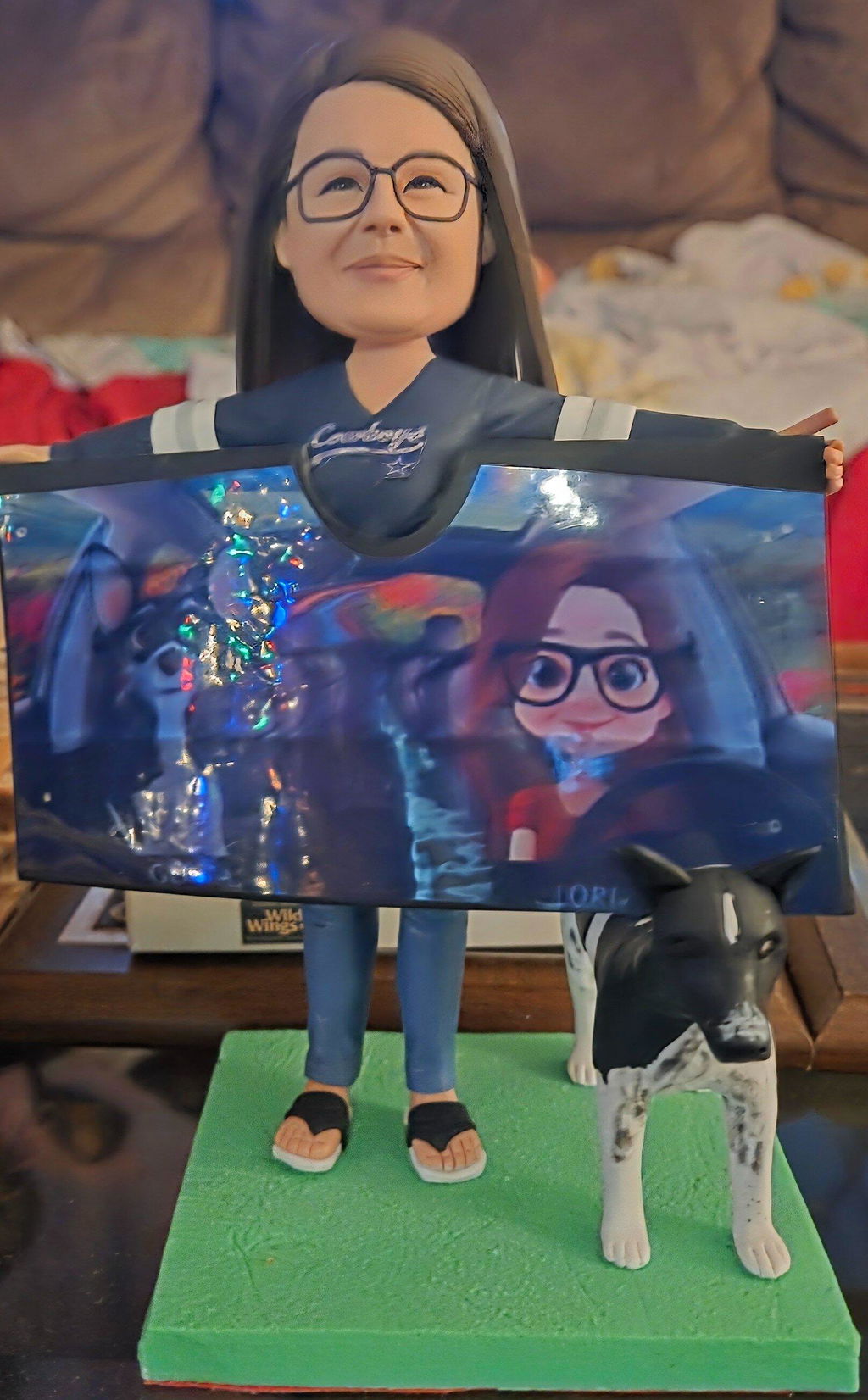

The Difference Between a $50 Bobblehead and a $150 One
PennyDengIf you've shopped for a custom bobblehead lately, you've probably noticed the price gap. One site lists them at $49. Another charges $149. Both claim to be "fully custom." Both show smiling faces on their homepages. So what's the real difference?
I've spent enough time around this industry to know that the gap isn't just about profit margins. There are genuine differences in how a $50 bobblehead gets made versus how a $150 one gets made. Neither is inherently wrong. But they are different products for different situations.
Here's where your money actually goes.
How It Starts: The Sculpting Process
At the lower end, most manufacturers use a base mold system. They have dozens of pre-made body shapes—standard poses, standard proportions. Your photo gets mapped onto a head that's shaped roughly like yours, then attached to a stock body. It's efficient. It keeps costs down. And honestly, for some people, it's fine.
The trade-off is that you're working within a template. If the person you're gifting has broad shoulders, a unique stance, or a specific outfit that matters, a base mold might not capture it. The head might look like them. The body usually looks like everyone else.
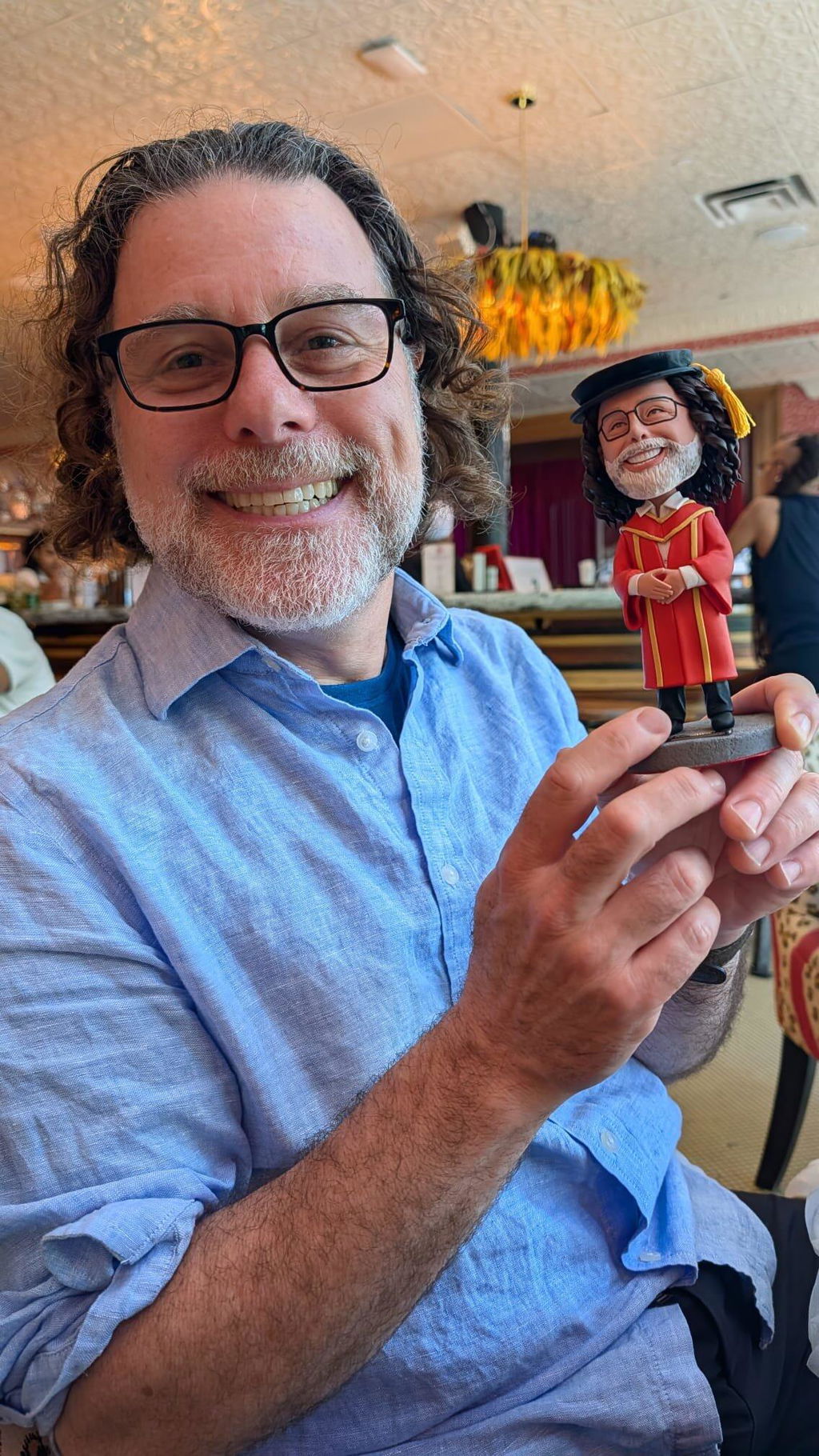
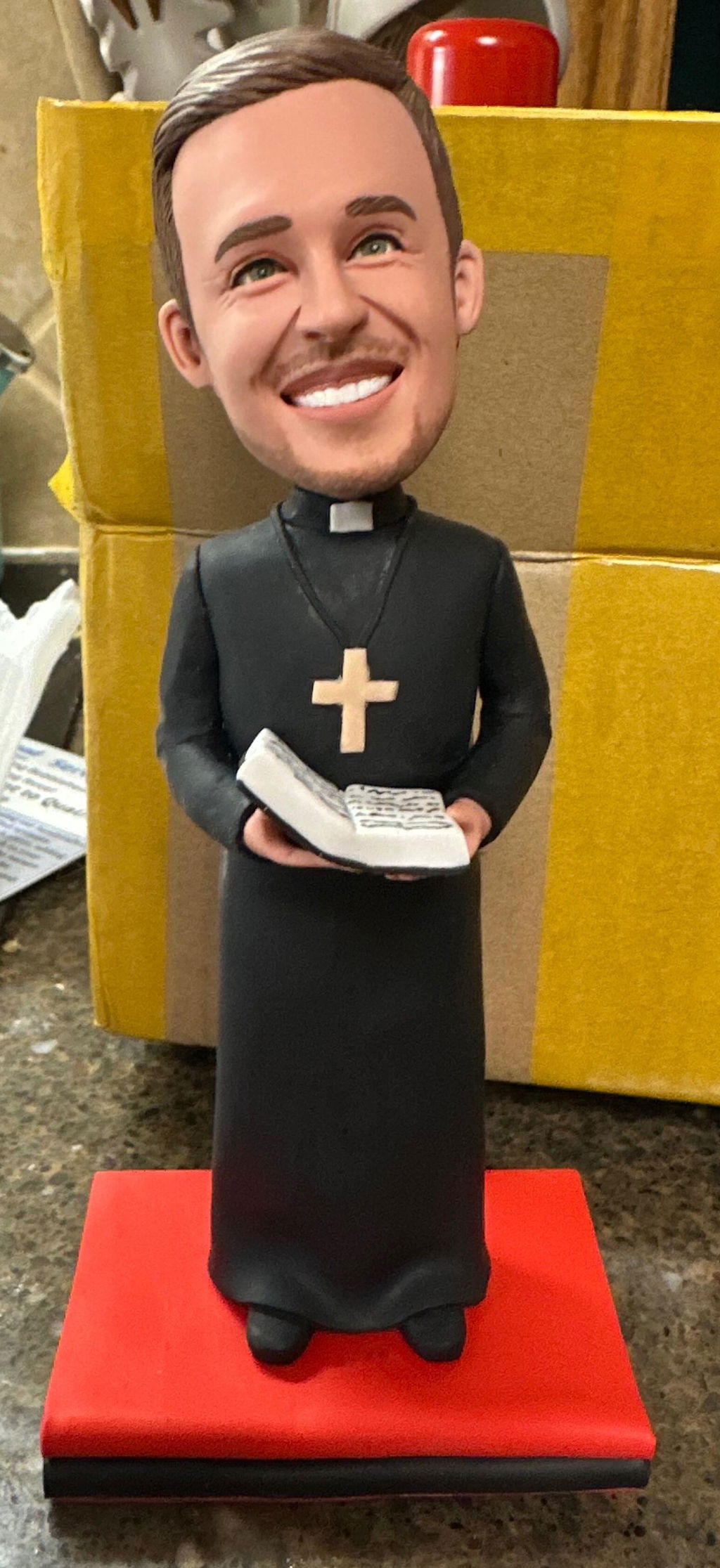
At the higher end, you're typically looking at hand-sculpted polymer clay from scratch. An artist looks at your photos and builds the figure layer by layer. The posture, the shoulder width, the way the jacket hangs—it's all specific to that person.
That labor is where the cost difference starts. To be transparent: our own standard custom bobbleheads start at $79.9, which already puts you in the hand-sculpted camp. You don't need to hit $150 to get an artist working from your photos. The $150 range is typically where complex poses, couples, or heavy prop details come in. A base mold takes minutes to prep. A hand-sculpted figure takes hours.
The Face: Approximate vs. Specific
This is where most people notice the difference.
A $50 bobblehead usually has a face that's been simplified to work at scale. The features are generally in the right place, but the nuance gets smoothed out. The expression is pleasant. It reads as "happy person." It might not read as "your dad."
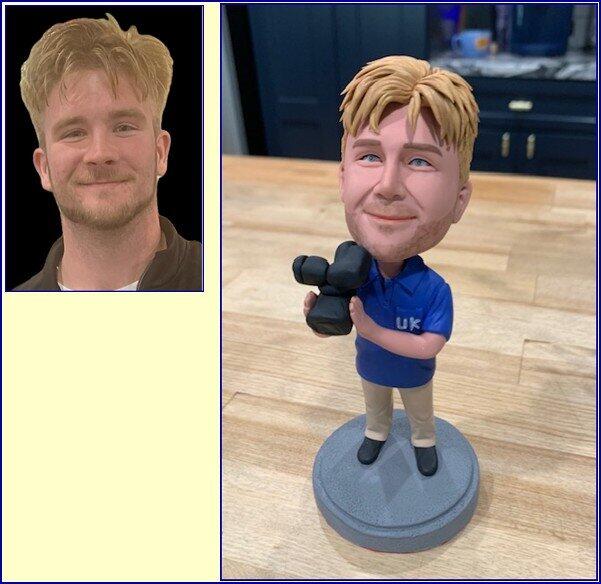
A $150 hand-sculpted piece usually goes through a preview stage. The artist sends you photos of the sculpted head before officially starting production. You can say "his eyes are slightly closer together" or "she smiles more with one side of her mouth." Those adjustments are possible because there's a human on the other end making them.→How to avoid disappointment with your custom bobblehead
That back-and-forth takes time. It requires someone who can read your feedback and translate it into clay. That's not something you can automate, and it's not something you can offer at volume for $50.

Material and Weight
Budget bobbleheads are often resin or PVC. They're lightweight, durable, and easy to ship. They feel like a solid toy.
Premium hand-sculpted pieces are usually polymer clay, which has a different density. It feels more substantial in your hand. The surface also has a natural warmth that resin doesn't quite match. With polymer clay, artists often work using flesh-toned clay directly for the face and hands, building the color into the form rather than painting over a blank base. That gives the skin a more natural, less "coated" look. Details like blush, shadows, or specific skin undertones might get subtle finishing touches, but the base color is already in the clay itself. That's why higher-end pieces often look less "plastic" and more lifelike.
Resin isn't bad. It's actually more durable in some ways. If you're buying for a kid who might knock it off a shelf, resin might be the smarter call. But if you're buying for a spouse who will keep it on their desk for ten years, the weight and texture of polymer clay tend to feel more like a keepsake and less like a novelty.
The Details That Don't Scale
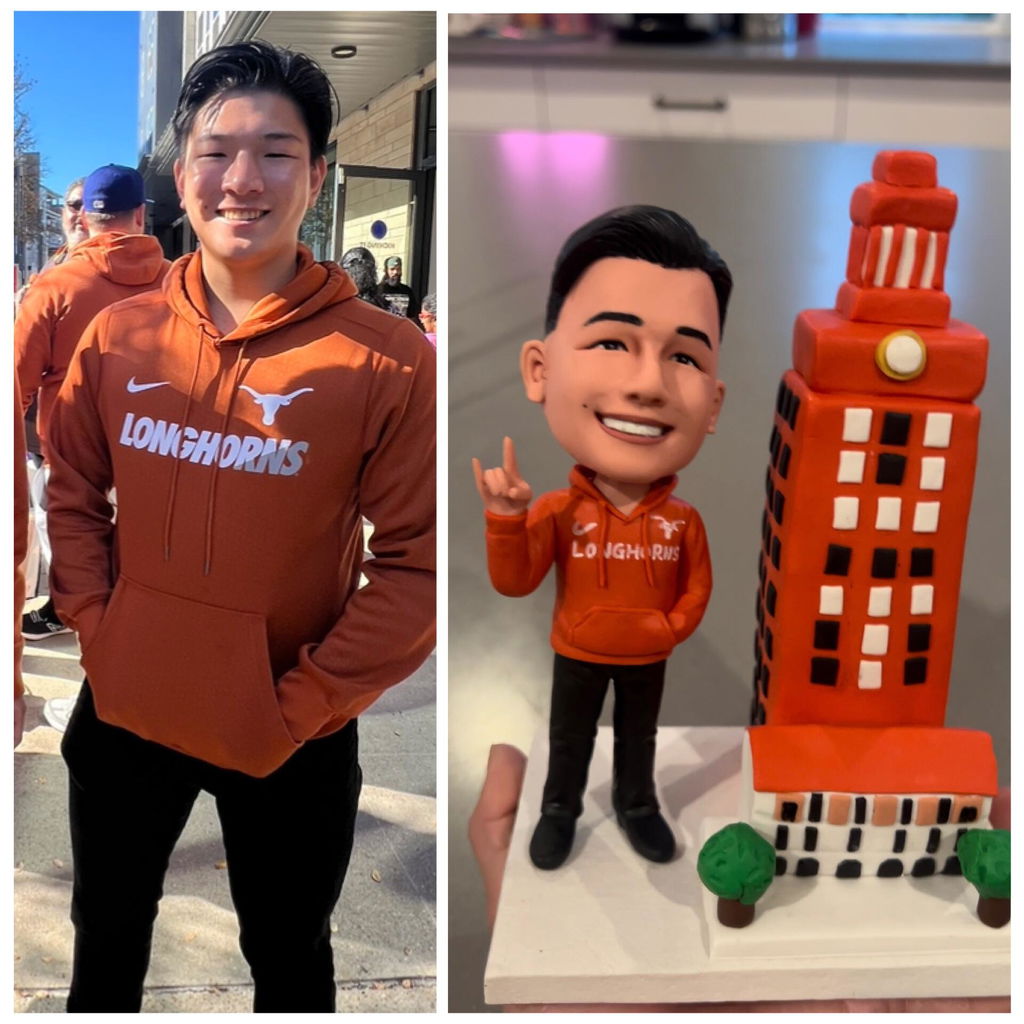
A $50 bobblehead generally includes one standard outfit and a basic base. If you want a specific prop—a golf club, a stethoscope, a pet by their feet—that usually pushes you into a higher tier. Not because the manufacturer is greedy, but because those details require individual attention.
A hand-sculpted artist can add a tiny coffee mug that matches the one your coworker used every morning. They can sculpt a specific pair of glasses with the right temple shape. They can put a logo on a jersey. Those details don't come from a mold. They come from someone looking at a reference photo and deciding how to shrink it down.
Packaging and Presentation
This is a smaller factor, but it's real.
Budget options usually ship in standard protective packaging. The bobblehead arrives safe. That's the goal.
Premium pieces often come in a presentation box or with a small stand that feels intentional. It's not just about protection. It's about the moment of unwrapping. When you're giving this as a retirement gift or an anniversary surprise, the packaging is part of the experience. It signals that this wasn't a last-minute grab.
Which One Should You Buy?
It depends on the stakes.
If you're buying a funny desk accessory for an office White Elephant exchange, a $50 bobblehead is probably perfect. It's entertaining. It gets a laugh. It doesn't need to last a lifetime.
If you're commemorating a 40-year career, celebrating a wedding, or simply trying to hold onto how someone looks right now, the extra cost of a hand-sculpted piece starts to make sense. You're not paying for a toy. You're paying for someone to look at a photograph and decide exactly how to shrink a human soul down to six inches.
Both products exist because both needs exist. The only mistake is expecting a $50 product to deliver a $150 experience, or paying $150 for a situation that only needed $50.
The Honest Bottom Line
The price gap between a $50 bobblehead and a $150 one comes down to time and attention. One is made efficiently for volume. The other is made slowly for specificity.
If you know which one you need, you're already ahead of most shoppers.